Small Skein, Big Impact: Knit More with Less

Today we’re celebrating One-Skein Needle Knitting Projects—clever, speedy makes that transform a single ball into wearable warmth and satisfying gifts. Discover yardage-smart planning, stash-friendly ideas, and confident finishing, while stories from real knit nights spark creativity and joyful momentum.

Plan for Yardage Wins

Start by matching skein yardage to ambitions, reading labels for meters, fiber, and recommended needle sizes. Swatch lightly, then measure stitches per 10 cm to forecast fabric needs. Learn typical one-skein targets—beanies, cowls, mitts, cloths—so plans feel confident, flexible, and delightfully achievable.

Yardage Math Without Tears

Convert grams to meters using the label, then weigh a small swatch to estimate consumption per square centimeter. Multiply by your project’s dimensions to predict requirements. Keep a buffer of ten percent, and remember ribbing, lace, and negative ease reduce overall yarn demands.

Gauge That Serves the Skein

A slightly larger needle opens stitches, stretching limited yardage while keeping drape lively. Balance openness with structure by sampling rib or garter borders. After a gentle block, reassess measurements, adjusting stitch counts so a single skein gracefully becomes hat, cowl, or mitts.

Labels, Fibers, and Reality

Superwash wool blooms differently from untreated, cotton relaxes in water, and acrylic barely shifts at all. Check ply, twist, and halo; these influence stitch definition and perceived yardage. Trust your swatch’s truth more than optimistic packaging promises or aspirational photos.

Cast On Smart, Bind Off Brilliant

Efficiency begins at the edge. Use economical starts, estimate tails precisely, and choose structures that conserve while flattering. Explore long-tail tricks, German twisted resilience, and tubular polish. Complement with stretchy bind-offs that finish hats, cowls, and mitts beautifully without stealing crucial meters from the skein.

Tail Estimation Made Easy

Wrap the yarn around the needle ten times, measure, and multiply to estimate tail length accurately. Prefer two-strand starts using both ends to eliminate guesswork. If short, splice seamlessly; if long, convert excess into tidy seaming lengths or decorative duplicate-stitch embellishments.

Edges That Behave

For straight pieces, slip the first stitch knitwise on right-side rows to create a clean chain that blocks neatly without hogging yarn. Alternate with garter selvedges when curl threatens. Save i-cord borders for showcases only; their elegance consumes disproportionate meters on small projects.

Bind-Offs That Stretch, Not Snatch

Choose finishes that flex where needed. Jeny’s Surprisingly Stretchy suits ribbed hats and cuffs, while a sewn bind-off delivers classic elasticity on cowls. The suspended method evens tension, preventing tight rings that trap heads, wrists, and hard-won rows of precious fabric.

Weekend Winners: Fast, Wearable Favorites

Turn a lonely ball into instant wardrobe joy. A ribbed beanie, compact cowl, or fingerless mitts sprint off the needles between cups of tea. My guild’s Friday challenge proved it: six knitters, six skeins, six smiles, each finishing comfortably before Sunday supper.

Planned Pooling Without Panic

Identify the dye repeat by laying out a yard, tracking each hue’s length, then adjust cast-on stitches so colors stack into mesmerizing columns. Subtle slip-stitch interventions steer wandering sections. Keep notes with tape marks, ensuring repeatable results even after an enthusiastic tea-spill interruption.

Gradient Grace, Shawlette Stretch

When yardage is generous but singular, a simple triangular kerchief shines. Increase at edges and center spine, sprinkle eyelets to lighten, and stop when your remaining yarn equals twice the bind-off length. The result drapes elegantly, outpacing its humble, solitary cake with confidence.

Texture That Travels Far

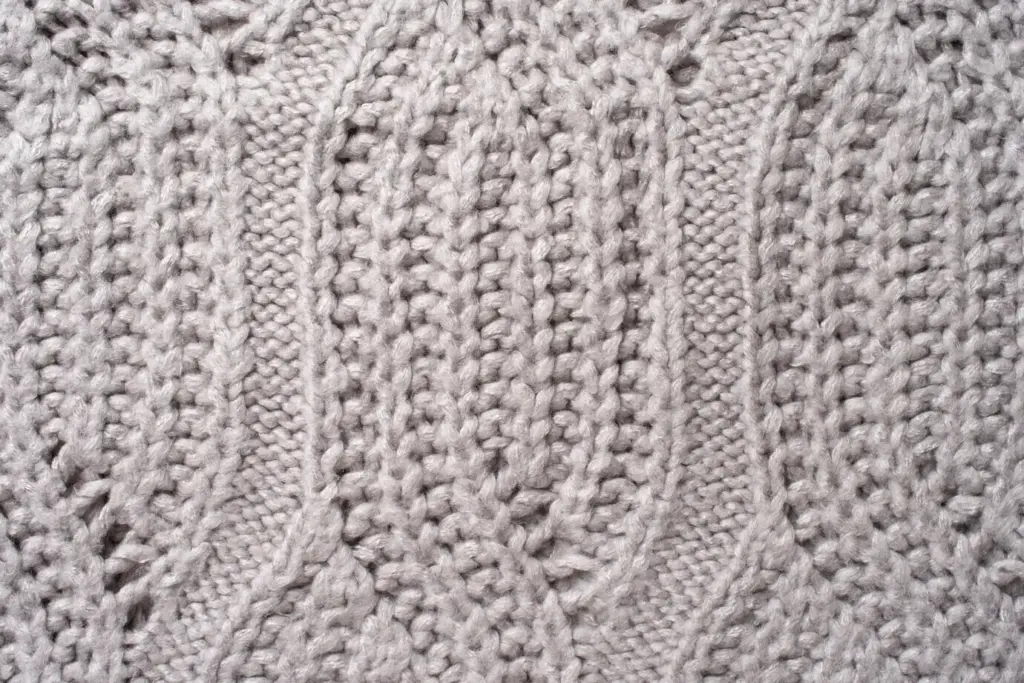
Certain textures grow fabric without gobbling yarn. Eyelets, garter ridges, and rhythmic seed stitch create interest while stretching yardage. Slip-stitch mosaics look colorwork-rich using a single strand’s tonal shifts. Texture also disguises joins, splices, and tension hiccups, keeping compact projects polished and brave.

Finishing, Care, and Sharing

Your last meters matter. Weave ends with Russian joins or spit-splice to dodge bulky tails, block with intention, and record precise yardage. Photograph in natural light, note needles and stitches, then gift or share online, inviting questions, swaps, and joyful one-skein challenges together.

01

Blocking That Respects Fiber

Wool and blends relax with a gentle soak, towel press, and flat dry; superwash grows more, so measure after. Non-superwash rebounds slightly as it dries. Acrylic prefers cautious steam hovering. Pin lightly to set edges, avoiding over-stretch that thins fabric and shortens longevity.

02

Joins, Tails, and Invisible Triumphs

When fiber allows, a quick spit-splice or Russian join eliminates knots and spreads tension invisibly. If joining is impossible, split the plies and weave along stitch paths for several centimeters. Trim only after blocking, when fibers have settled into their cooperative, long-term arrangement.

03

Invite Conversation, Spark Momentum

Tell us what a single ball became in your hands, include yardage, needles, and one triumph or lesson. Comment below, subscribe for fresh one-skein ideas, and tag your photos so we can cheer, troubleshoot, and collect inspiring galleries for future cast-ons together.

Zerazavonilonari
Privacy Overview

This website uses cookies so that we can provide you with the best user experience possible. Cookie information is stored in your browser and performs functions such as recognising you when you return to our website and helping our team to understand which sections of the website you find most interesting and useful.