One Skein, Endless Lace

Today we dive into one-skein lace shawlettes and scarves to knit, celebrating portable projects that bloom from a single ball of yarn. Expect airy motifs, clever shaping, and approachable techniques that stretch limited yardage into generous beauty. Bring curiosity, a favorite skein, and excitement for blocking magic that reveals every delicate yarn over and whisper-light edge.

Start Smart: Yarn, Needles, and Possibility

Begin with fiber that flatters openness and drape, then pair it with needles that encourage breath between stitches. We will weigh yardage, consider halo, and think ahead to blocking memory, so your single skein becomes something graceful, wearable, and delightfully efficient on both time and budget without compromising artistry or comfort.

Choosing the perfect skein

Seek approximately 400 to 460 yards of soft, smooth fingering or a floaty mohair-silk blend when airy transparency is desired. Semi-solids showcase lace definition, while gentle speckles add romance without obscuring eyelets. Squeeze for bounce, rub against your wrist for comfort, and check labels for fiber content that blocks beautifully and rebounds after wear.

Needles and gauge that flatter lace

Select a needle a size or two larger than stockinette gauge to let yarn overs sing. Metal tips glide through decreases, while wood adds control to slippery fibers. Swatch both before deciding. Measure gauge after a light block, because lace stretches, relaxes, and reveals its true rhythm only once moisture and patience work together.

Swatching with purpose

Knit a small triangle or repeat panel using your intended motif, then block firmly to learn how stitches open and edges behave. Note how many rows and repeats your yardage supports. Record needle size, row gauge, and finished dimensions, and tuck a lifeline through the last row to test how easily the fabric recovers.

Shape and Flow Within One Skein

Shape dictates drama while yardage sets boundaries, so we will explore top-down triangles, shallow crescents that hug shoulders, bias-knit scarves that sip yarn, and elongated kerchiefs that knot effortlessly. Gentle increases, strategic rest rows, and tapered ends help every inch count, creating silhouettes that look generous yet remain delightfully compact in materials.

Triangular and crescent strategies

Top-down triangles grow quickly with paired increases at edges and center spine, offering a satisfying canvas for simple motifs. Crescents use frequent increases to spread length across the neckline while conserving depth, perfect for one-skein elegance. Place markers to separate sections, balance the motif, and avoid accidentally expanding beyond your precious yards.

Bias-knit scarves that sip yarn

Working diagonally creates flattering drape and rhythmic growth, often requiring fewer stitches per row than deep triangular shawls. Alternating increases and decreases keeps width steady while length blooms. Simple eyelet columns along the bias line add movement without consuming yarn. Finish with a gentle taper so your bind-off feels relaxed, never starved.

Edge treatments that finish strong

A stretchy bind-off, subtle picots, or a narrow garter border frames lace without devouring yardage. Test options on your swatch first, noting flexibility and appearance after blocking. Slipped-stitch edges resist curling, while a tiny I-cord adds polish. Choose techniques that complement the fabric’s character rather than compete with its airy intentions.

Reading Charts, Managing Repeats, Staying Sane
Decode symbols with confidence

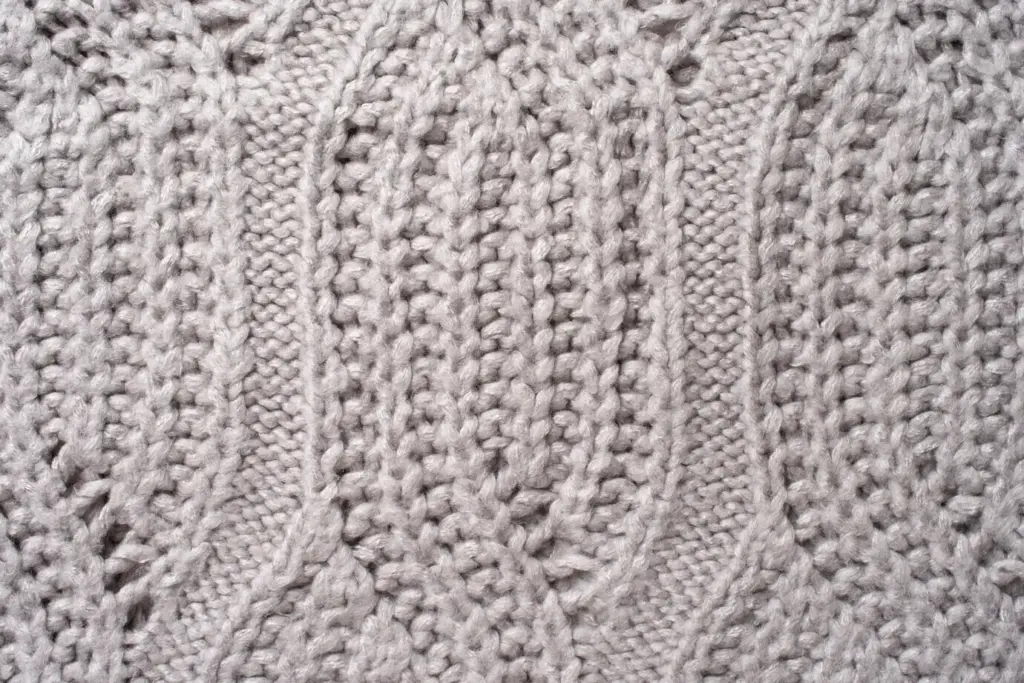
Start by identifying right-leaning, left-leaning, and centered decreases, then match them to the legend before knitting. Mark pattern repeats with highlighters or washi tape. Read right-side rows from right to left, wrong-side from left to right, unless specified otherwise. Rehearse one repeat aloud, then knit it slowly to imprint reliable muscle memory.

Lifelines: the quiet safety net

Thread smooth contrasting yarn through a plain row every few repeats, leaving tails outside the fabric. If mistakes happen, slip stitches off and rip back confidently to the preserved row. Replace lifelines as you progress. This gentle habit invites bravery, embraces experimentation, and removes the fear that often keeps lace tucked away.

Counting tricks for peaceful knitting

Place markers between every repeat and move them with decreases if the pattern shifts. Use tally apps or clickers for rows, and whisper count sequences under your breath. Insert calm pauses at repeat boundaries to check stitch totals. These micro-checks transform complexity into rhythm, turning concentration into a cozy, meditative flow.

Texture, Air, Sparkle: Elevating Simplicity
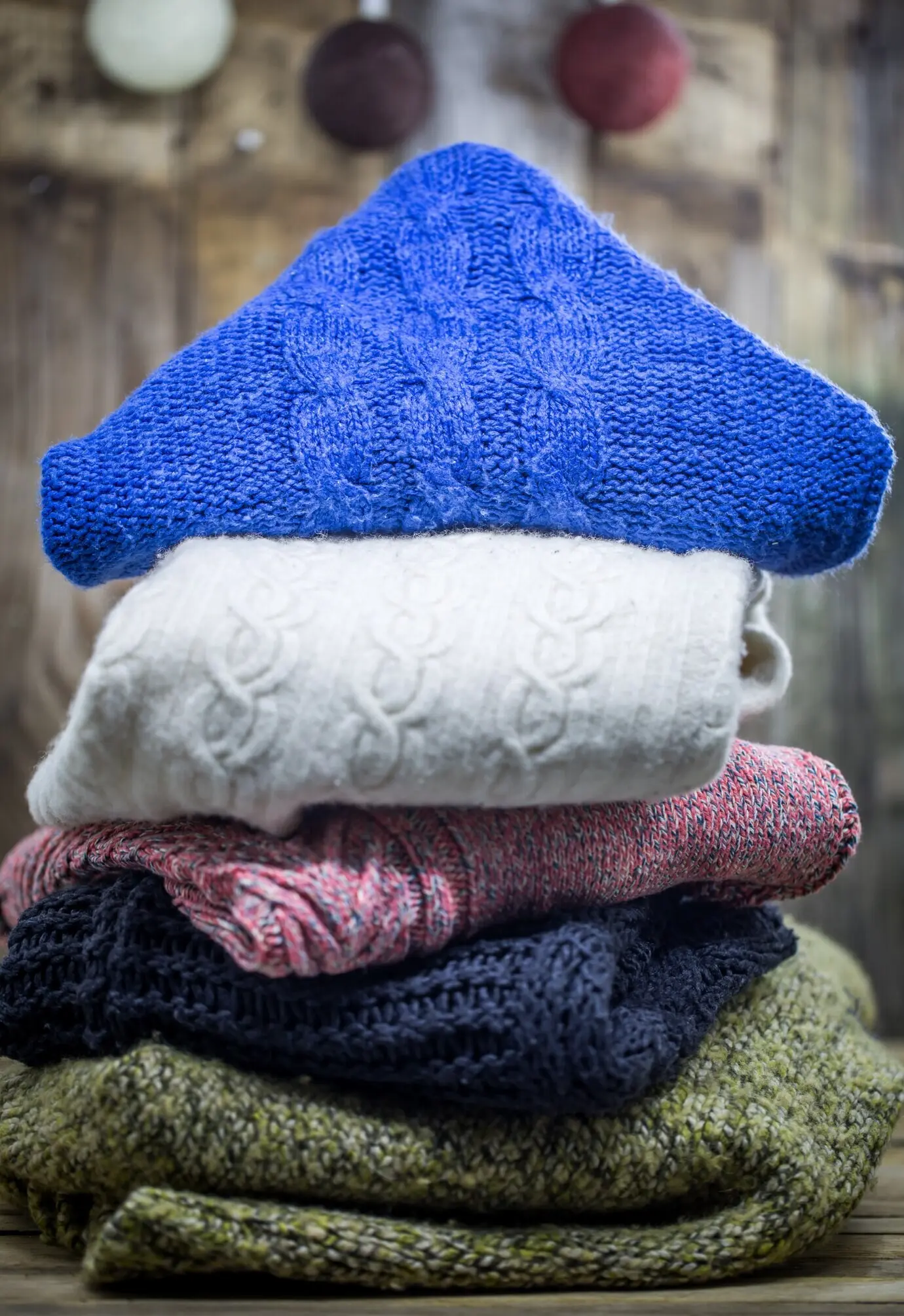
One skein shines when motifs remain intentional. A field of yarn overs, occasional nupps, or delicate twisted stitches can turn quiet stitches into poetry. Light beads near the edge catch sunbeams without overwhelming yardage. Consider mohair halo for soft diffusion, or choose crisp merino for carved definition that photographs beautifully and wears gracefully.
Concentrate sparkle along borders, tips, or a final repeat to maximize impact with minimal weight. Pre-string beads for crochet-hook placement or slip onto stitches as directed. Test bead size on your swatch, watch drape after blocking, and remember that subtle glints near the face feel luxurious without exhausting your limited yardage allowance.
A laceweight mohair-silk blend inflates modest stitch counts into clouds of softness, perfect for shawlettes that read larger than they are. Knitting loosely enhances transparency and drama. Keep motifs simple so haze does not hide detail. Steam-block cautiously, avoid over-stretching, and enjoy that weightless warmth only brushed fibers can reliably deliver.
Semi-solid yarns emphasize geometry, while gentle variegation lends watercolor movement. Avoid wildly contrasting speckles that obscure decreases. If your skein is busy, choose bold yarn-over columns or mesh that reads clearly from a distance. Photograph swatches in daylight to confirm balance, and trust your eyes more than labels or trending color names.

Blocking Magic for Featherlight Results

Blocking transforms crumpled stitches into sculpted architecture. A warm soak relaxes fibers, while wires and pins coax points and curves into crisp clarity. With patience and airflow, your shawlette dries into a larger, softer fabric. Learn how to protect elasticity, preserve edges, and refresh shape after adventures tucked inside a handbag.

Stories, Community, and Small Victories

A beginner’s first airy triangle

Maya chose a calm semi-solid and placed lifelines religiously. Her early tinks taught patience, and blocking day felt like an unveiling. She measured, pinned, breathed, and cried happy tears seeing eyelets bloom. Now she mentors newcomers, reminding everyone that small, consistent rows become heirlooms faster than perfectionism ever will.

A shawlette for a sudden celebration

Maya chose a calm semi-solid and placed lifelines religiously. Her early tinks taught patience, and blocking day felt like an unveiling. She measured, pinned, breathed, and cried happy tears seeing eyelets bloom. Now she mentors newcomers, reminding everyone that small, consistent rows become heirlooms faster than perfectionism ever will.

Join the conversation and share progress

Maya chose a calm semi-solid and placed lifelines religiously. Her early tinks taught patience, and blocking day felt like an unveiling. She measured, pinned, breathed, and cried happy tears seeing eyelets bloom. Now she mentors newcomers, reminding everyone that small, consistent rows become heirlooms faster than perfectionism ever will.

Sustainable Stash and Thoughtful Gifting
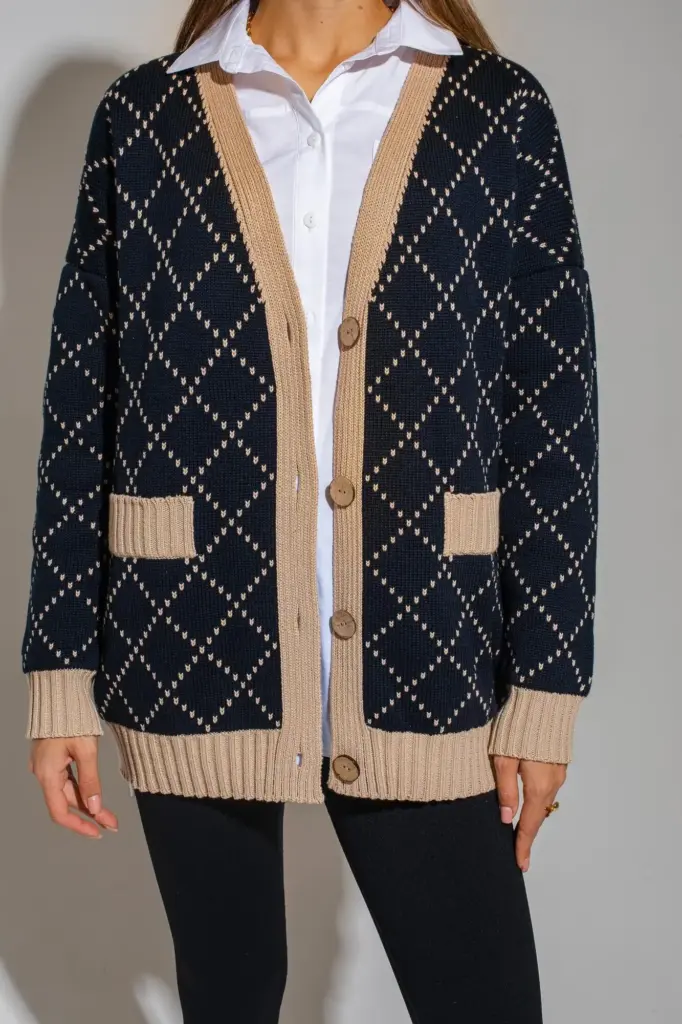
Single skeins often wait patiently, dreaming of sunlight. Turn them into purposeful accessories that warm shoulders and hearts. Choose fibers produced responsibly, match care instructions to the recipient’s lifestyle, and package with a handwritten tag. One mindful project can downsize clutter, maximize beauty, and invite gratitude each time it is worn.

Stash diving with intention

Pull everything into daylight and sort by yardage, fiber, and color mood. Pair delicate motifs with smoother yarns, reserving busy shades for simpler meshes. Weigh skeins to confirm reality versus labels. Combine two coordinating leftovers as stripes or gradients if needed. Set an achievable deadline, then honor that skein’s long-awaited transformation.

Swaps, destash groups, and local finds

Trade untouched treasures with friends or online communities, seeking fibers that block beautifully and feel kind against skin. Local yarn shops often host swap bins or charity drives that spark inspiration. Try unknown dyers, read project pages for drape notes, and let affordable discoveries unlock new shapes without straining your craft budget.
Zerazavonilonari
Privacy Overview

This website uses cookies so that we can provide you with the best user experience possible. Cookie information is stored in your browser and performs functions such as recognising you when you return to our website and helping our team to understand which sections of the website you find most interesting and useful.